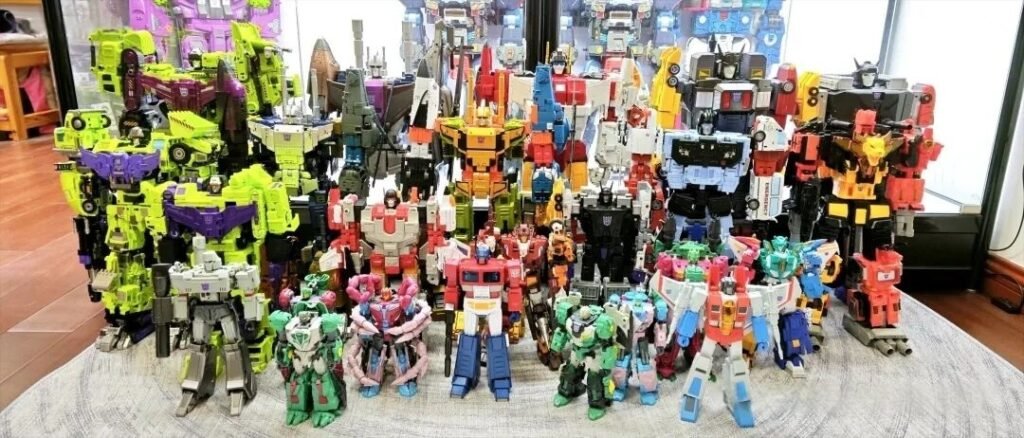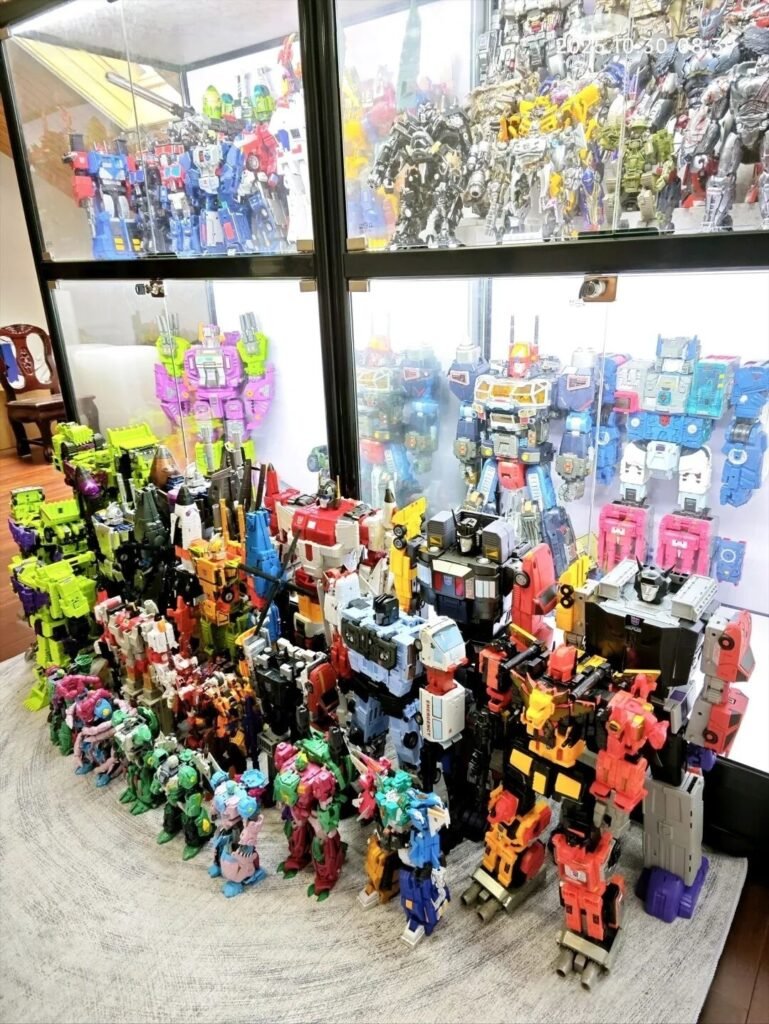
Transformers Devastator: Key Design Issues and Analysis
Let’s talk about the design and setting inconsistencies of Devastator, the first iconic combiner transformer to debut in Transformers G1. For anyone who’s owned a G1 Devastator figure, it’s a well-known fact that Scrapper the front loader—its leader—transforms into one of Devastator’s legs, bearing half of the giant combiner’s total weight. This creates a major design challenge: the load-bearing capacity of Scrapper’s combined leg structure.
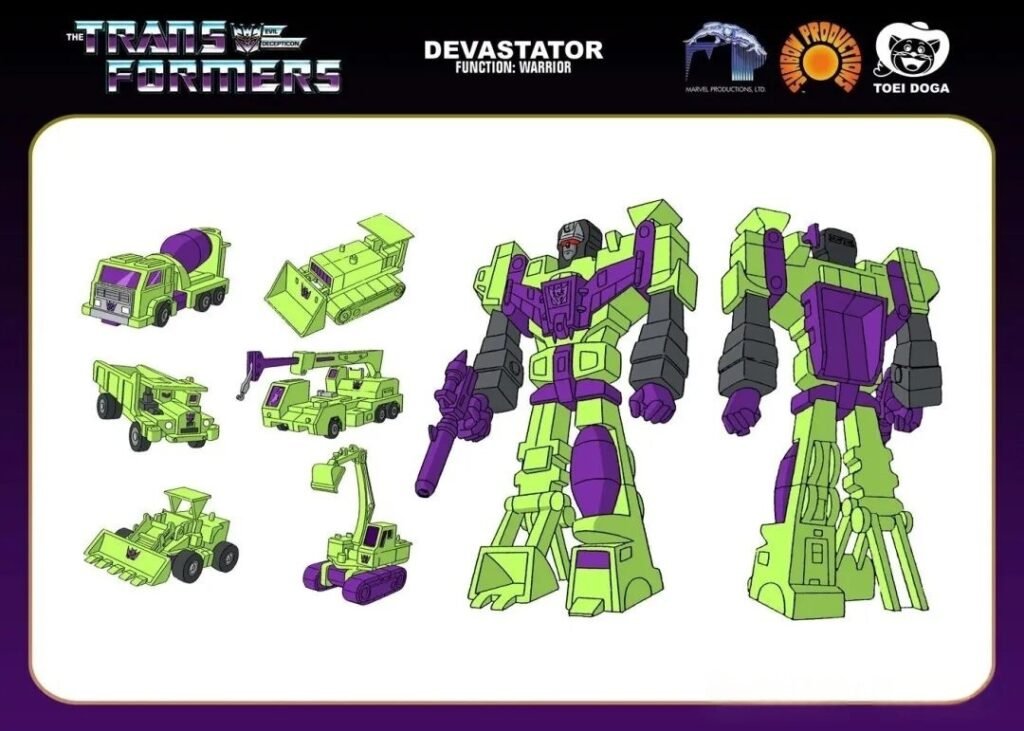
We’ll dive into Devastator’s toy iterations later, and let’s start with the original concept art first. The base of Scrapper’s combined leg is supported by two slanted rear components and a large slanted front bucket. Triangular structures are inherently stable in theory, yet there’s a critical flaw here: only the upper two sides of the triangle are present, with no connecting component at the bottom to form a complete triangular frame. What does this flaw reveal? It means that any physical toy designed to match this concept must be modified. Either the slanted parts are redesigned as straight supports, additional components are added at the bottom to create a solid triangular frame, or large pieces like an upgrade kit are used directly to reinforce the structure. Without such adjustments, how could this giant combiner transformer achieve sufficient stability with this original G1 setting?
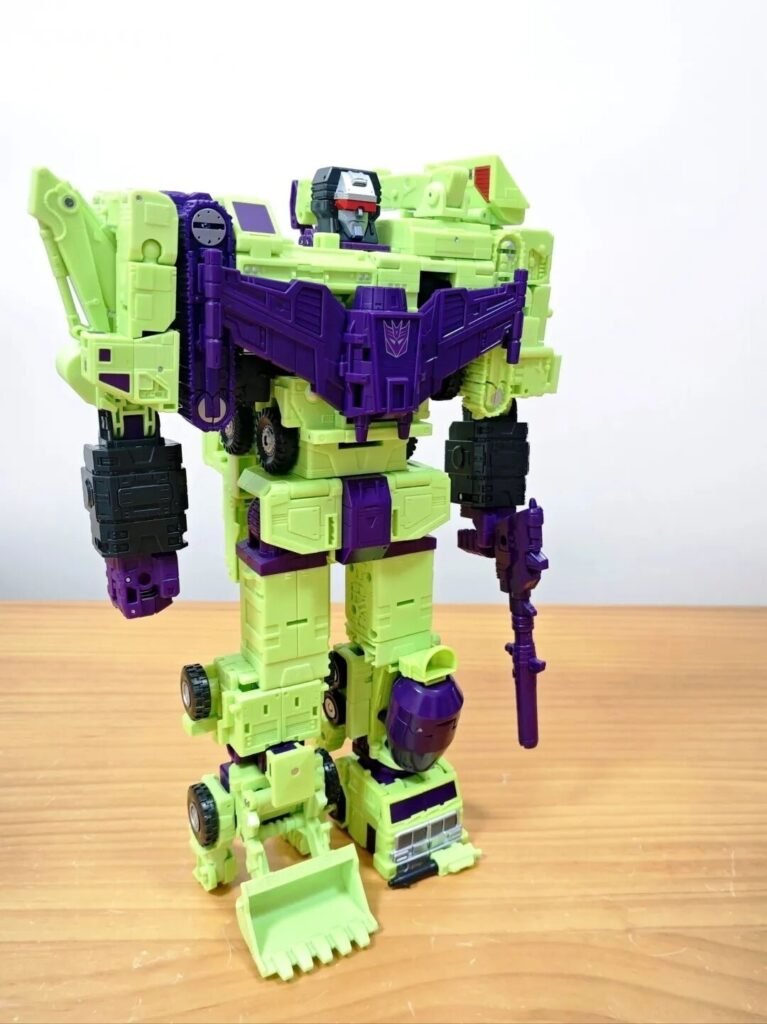
This naturally leads to the core design issues of physical Devastator toys. How have different manufacturers addressed this major structural challenge? The official 1986 G1 Devastator features a foldable front bucket arm with secure locking clips, and its rear part is redesigned as rigid straight loader arm supports. This design boasts solid stability and prevents the combiner from tipping forward or backward entirely.
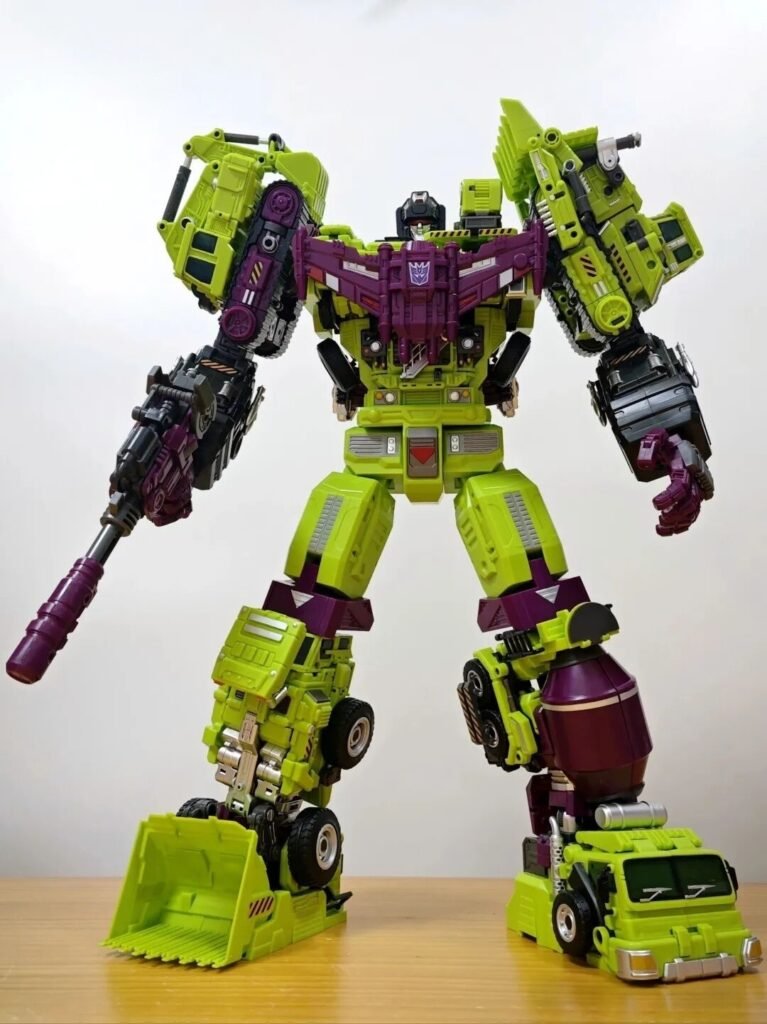
For the Jinbao GT Devastator – Jinbao’s knockoff (KO) version of the original GT Devastator – the brand released a 2.0 Upgrade Kit years later, which simply adds a large solid component beneath to support the soles of both of the figure’s feet. The original GT Devastator is a smaller-scale figure, so the load-bearing capacity issue is not particularly pronounced; yet when Jinbao scaled up their KO version, this problem was magnified accordingly. For long-term display, the best option is to fit the Upgrade Kit, which stops the figure from toppling over.
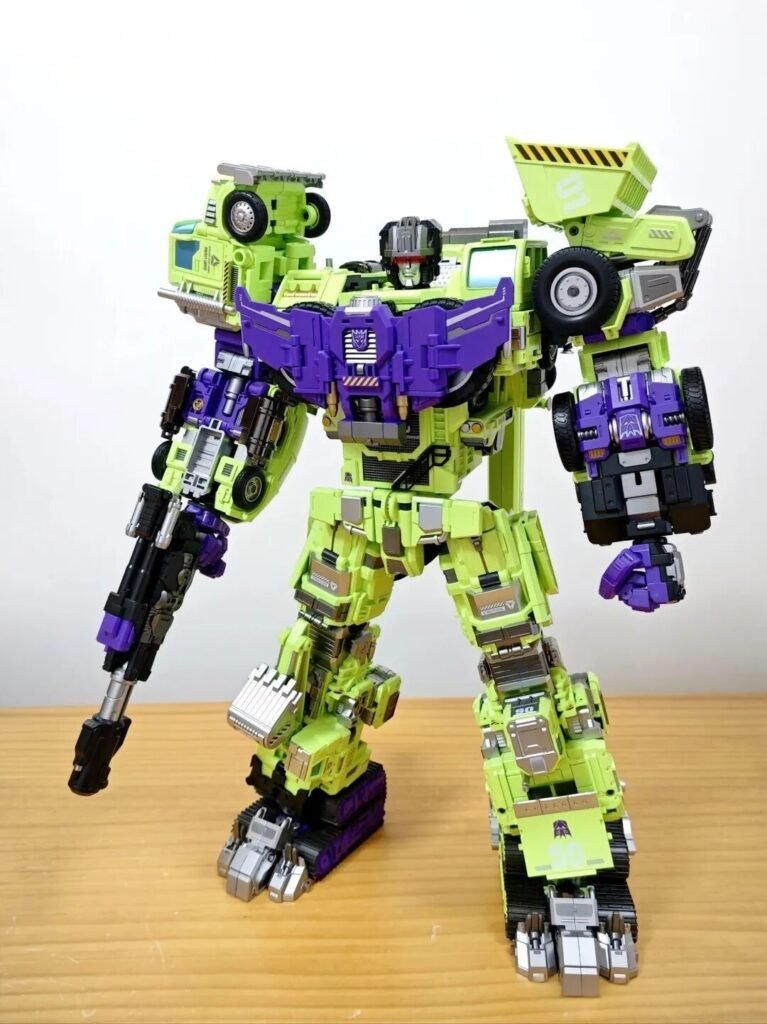
Then there’s the Mecha Invasion Devastator, which completely reworks the design from the original concept art and even reverses the positions of its hands and legs. It also redesigns the caterpillar tracks to fold into large, sturdy foot soles. This solution not only eliminates the bearing capacity issue entirely, but also results in a highly aesthetic design. For fans like me who don’t have a nostalgic attachment to the classic 1980s G1 design, this aesthetic appeal is by no means unappealing.
Transformers toys Mecha Invasion GLA01&GLA02 Mixmaster&Scrapper Set of 2
Transformers toys MechaInvasion GLA03&GLA04 Builder Haul&Hook
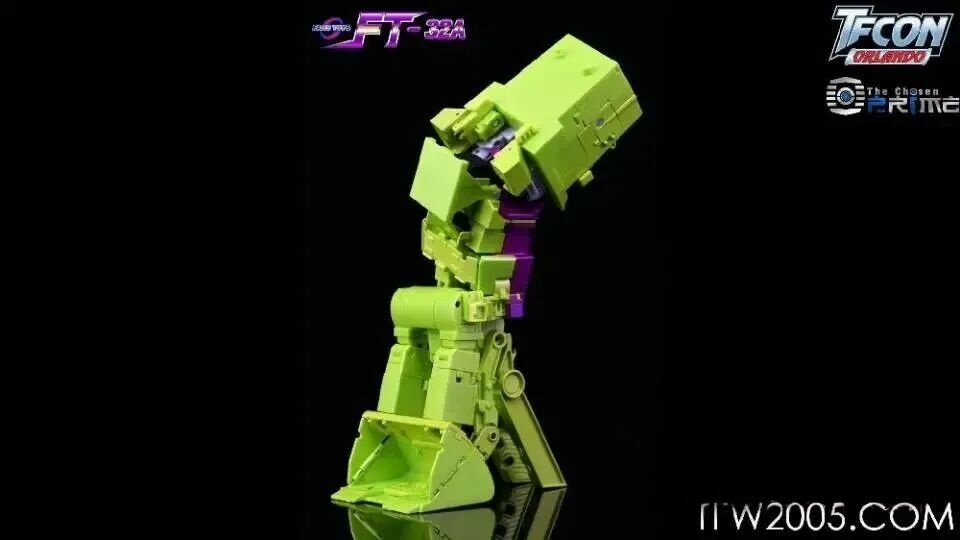
As for Scrapper of the FansToys (FT) Devastator, the manufacturer took an extremely straightforward yet highly effective approach: a large heel upgrade kit part that locks firmly onto the Scrapper figure. Combined with FT’s inherent high plastic rigidity and the tight connection between the upgrade kit and the main body, this maximizes the structural strength of the leg to the fullest. Some collectors have even conducted tests where the Scrapper leg supported a pile of heavy objects, so in my personal opinion, the load-bearing capacity of the FT Devastator is absolutely not a concern at all.
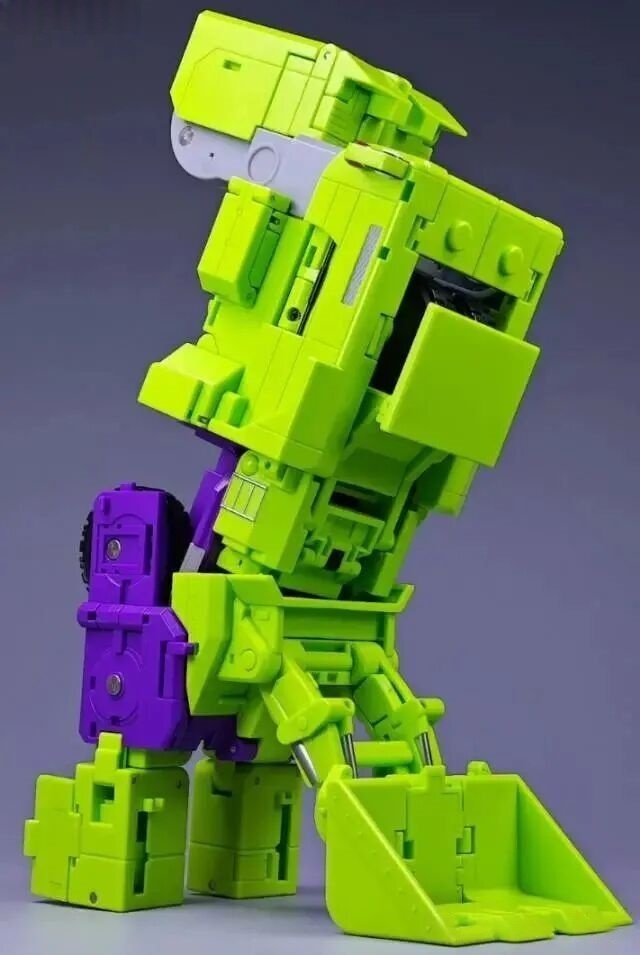
I haven’t purchased Scrapper for the OX Devastator yet, but I’ve watched other collectors’ review videos on it. I noticed the small positioning locking clips on the rear loader arm for structural reinforcement, while the front bucket is attached via gear joints. I’m unsure about the load-bearing strength of these joints, and I can only guess that its combined form isn’t as sturdy as the FT Devastator’s. An upgrade kit would definitely be a perfect addition for extra reinforcement. I have no idea if the manufacturer will release one eventually – I can only hope there’s a dedicated part to strengthen this structure.
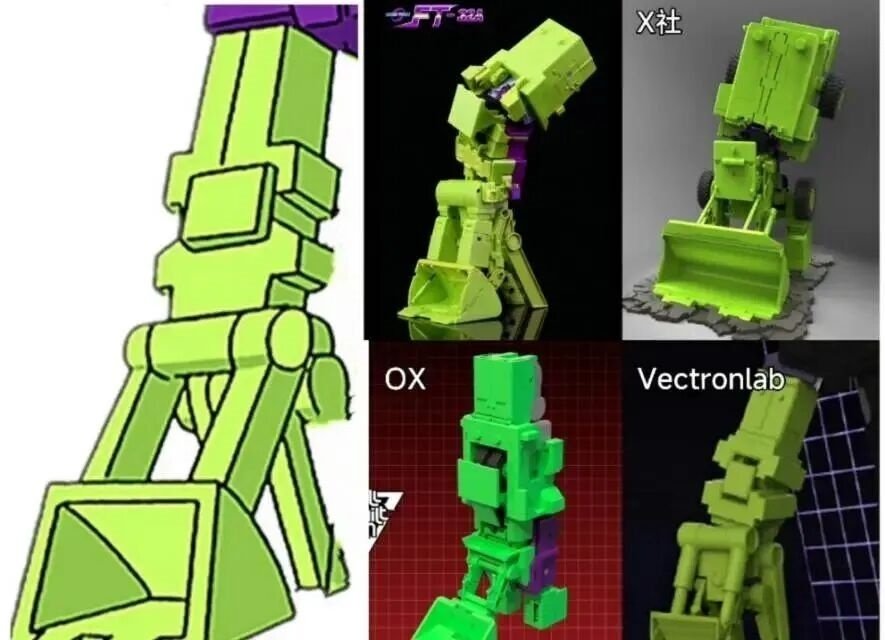
I have neither purchased nor have much interest in Scrapper for the X-Transbots (X-She) Devastator. From other collectors’ review videos, its standalone robot and vehicle modes look great, even excellent perhaps. Yet the stability of its combined form is certainly questionable. It remains to be seen what heavy-duty upgrade kit the manufacturer will release for it.
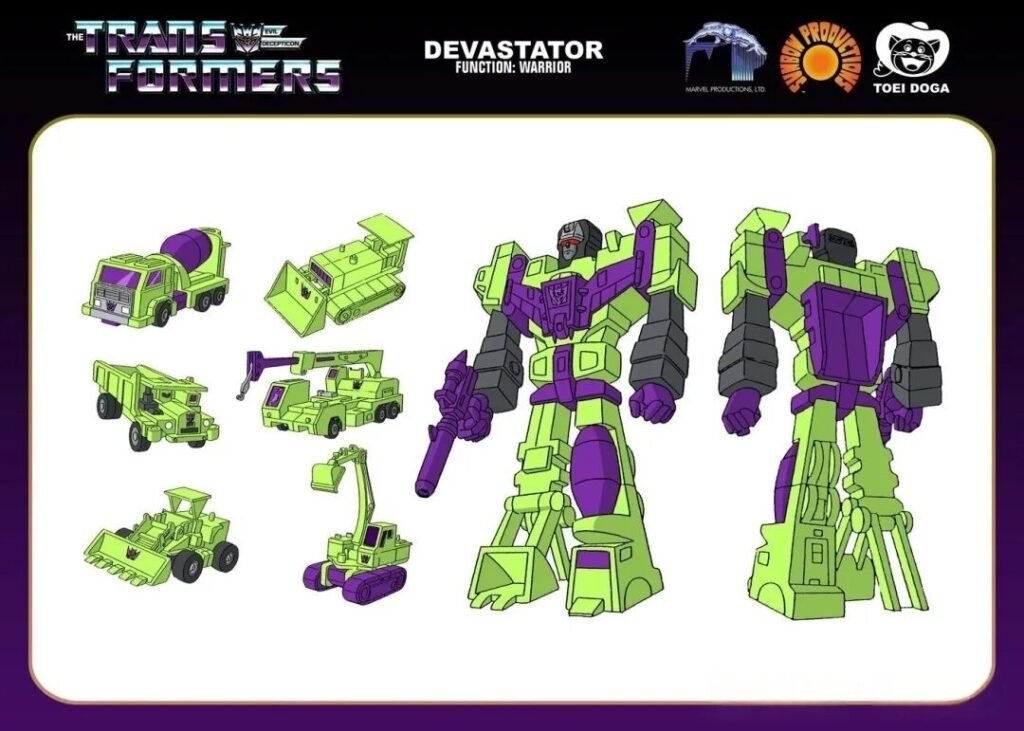
That’s about all there is to say about Scrapper’s design. Now let’s talk about the color shift of the caterpillar tracks on Devastator’s arm in the original G1 setting. Bonecrusher the bulldozer has green tracks in its standalone vehicle mode, yet the tracks turn purple when it’s transformed into Devastator’s arm. This is simply an odd quirk in the original G1 lore. The same goes for Long Haul the dump truck—its green body turns purple when it becomes Devastator’s back section. For this reason, these classic old G1 settings should never be treated as an absolute, unalterable benchmark for modern toy design.
It’s 2026 now, and Transformers designs can embrace a modernized aesthetic that’s rooted in the classic G1 foundation while evolving beyond it. It’s not always appropriate to rigidly cling to the original concept art as the sole standard for design, and a physical toy that adheres strictly to every single detail of the concept art might not even end up looking visually appealing.